
Poorman’s orange

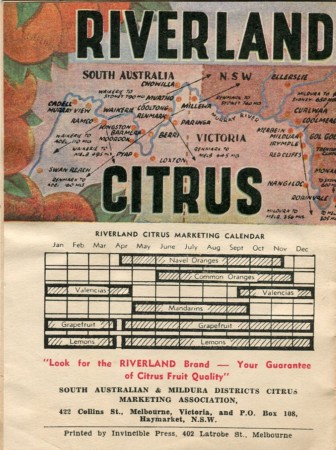

The poorman is a fruit in its own right and seems to have been grown in South Australia particularly. In 1924, readers were urged to try to grow and eat a ‘despised fruit’:
THINGS TO GROW AND HOW TO GROW THEM. Helpful Hints for Amateurs.
Poorman Orange. The pomelon, or grape fruit, is very popular as a breakfast dish in America, and this beautiful citrus fruit is growing in favour. How many people realize that the despised poorman orange is just as palatable; in fast, some good judges prefer this, or like it just as well as the pomelon. If carefully put away in a cellar the poorman will keep for months, and in warm summer is delightful as a morning dish. It is more juicy and much more palatable. It should be picked and allowed to wilt, for a week or more under the verandah or other cover, so that the skin can toughen, and it should also be put away before the skin gets overripe. When ready for putting away you can wrap each fruit in paper, newspaper if you like, and by the time it is ready to eat it will have developed a nice blend of sugar and acidity. (Try this despised product.) Observer (Adelaide, SA), 16 August 1924, page 1216.
More recipe booklets to come, subscribe to the website to make sure you see them. Look to your right and click on I love ephemera
2 Comments.
The PWMU Cookery Book, Metric Edition, 1975 ( Lothian Publishing Company Pty. Ltd., Melbourne & Sydney)) has a recipe for Orange Marmalade on page 200. The ingredients include ” Seville, Poorman or sweet oranges, or a mixture of any may be used.”
Other ingredients: “To each kilogram of oranges allow 6-8 cups water, 5 cups sugar, juice of 1 lemon.”
It would appear that Poorman oranges were a recognised variety of orange in this era.
good research Derek